Planning refusals & appeals

Review the refusal before choosing the response.

Start with the decision notice, submitted evidence and important dates, then decide what review or further planning work is appropriate.

Discuss a refusal or appeal

Scope, suitability, responsibilities and fees confirmed in writing before instruction.

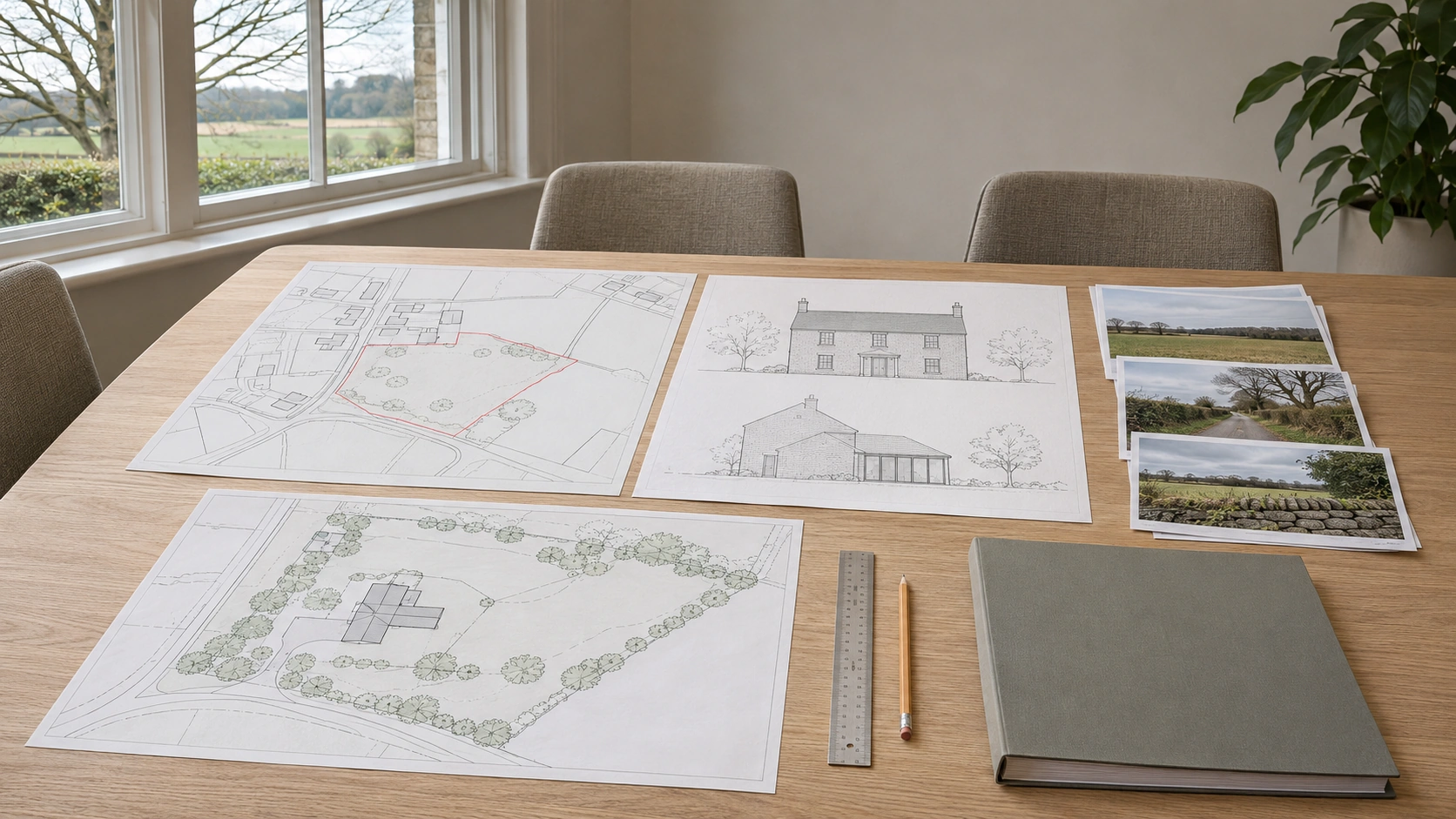
Illustrative planning evidence review with generic site plans, elevations and context photographs

A refusal needs a considered next move.

A refusal does not explain, by itself, which next step is worthwhile. Start with the decision, the submitted proposal and the evidence behind the reasons given. SEPC can review that material, discuss the available planning routes and scope the work needed for a revised application or an appeal where appropriate.

For homeowners, landowners and smaller developers facing a refused application or another planning decision they need to review. It is also relevant when a project team needs an independent assessment of whether to revise a proposal or pursue an appeal.

Is the better route a revision, an appeal or further evidence?

That question needs a review of the actual record. The reasons for refusal, officer report, application documents and any earlier advice can reveal whether the issue concerns principle, design, missing information or another matter. The applicable appeal procedure also matters: the Planning Inspectorate has separate guidance for applications submitted before and from 1 April 2026, and the opportunity to introduce new material can be restricted. The initial review should establish the relevant procedure and dates before work is agreed. An enquiry or proposed appointment does not pause a deadline.

Define the planning work and its potential outputs.

The appointment identifies the tasks, information and responsibilities appropriate to the decision you need to make.

A decision and application-record review

Examine the decision notice and relevant submitted material within the agreed scope. Identify the main reasons for refusal, supporting findings and points requiring clarification before recommending a response.

A comparison of the available routes

Discuss the planning merits of revising the proposal, seeking further advice or pursuing an appeal. Explain material assumptions and information gaps rather than treating an appeal as the automatic next step.

A defined appeal or revision brief

If further work is suitable, set out the documents, evidence, responsibilities and procedure to be addressed. Identify any design or specialist input requiring a separate appointment.

Preparation of the agreed planning case

Where instructed, prepare the planning statement or appeal material within the confirmed procedure and agreed scope. Coordinate contributions specified in the commission and explain additional requirements as they arise.

A clear record of the next action

Explain what needs doing, by whom, and which dates need attention. Confirm the work the practice has accepted so that a preliminary conversation is not mistaken for an appeal instruction.

Illustrative site study with buildings, access and landscaping

Bring the existing information to the first discussion.

Include the decision notice and important dates in the first enquiry. If time is short, say so clearly and use the published phone contact as well; do not assume the practice has accepted responsibility until confirmed.

  • The full decision notice, application reference and site address.
  • Application submission date, decision date and any other date or deadline stated in the correspondence.
  • The submitted plans, supporting reports, officer report and relevant consultation responses you hold.
  • What you want to achieve, whether revisions are possible and any prior advice or appeal correspondence.

These are independent illustrative studies, not matched site views, an SEPC project, a technical survey or evidence of planning permission.

Match the scope to your next decision.

Start with the decision and the evidence already available. Agree a focused review, application support or wider advisory brief, with any specialist inputs confirmed separately.

For complex decisions

Strategic Development Advisory

For land, estates and development opportunities where several planning questions or advisers need to be considered together.

Potential outputs, where agreed

  • Planning priorities and constraints
  • Options and specialist inputs to assess
  • An agreed brief for the next stage

Bespoke scope and written fee proposal

Explore strategic advisory
For a defined proposal

Planning Strategy & Applications

For a proposal that needs a considered planning route, supporting information and clearly allocated submission tasks.

Potential outputs, where agreed

  • Application requirements and responsibilities
  • Planning documents within the agreed scope
  • Agreed liaison and next decisions

Scope and fees agreed by stage

Explore application support
For an early site decision

Site Potential Review

A focused starting point when you need to understand the planning questions before commissioning wider work.

Potential outputs, where agreed

  • Relevant planning context
  • Key constraints and information gaps
  • A proportionate next-step recommendation

A focused scope, agreed in writing

Explore a site review

Deliverables, responsibilities, fees, any applicable tax and separate specialist costs are confirmed in a written proposal before instruction. Planning decisions remain with the relevant authority or Inspectorate.

Agree the responsibilities before work begins.

A clear appointment identifies the planning role, exclusions and separately responsible advisers.

  • Appeal availability, procedure and time limits vary. A deadline must be checked against the actual decision and circumstances; this page supplies no universal deadline.
  • Design revisions, surveys, specialist evidence, advocacy and costs applications require their own agreed scope where relevant.
  • A review cannot guarantee that an appeal is available or likely to succeed. The relevant decision-maker determines the outcome.

Scope, fees, suitability and available capacity are confirmed before instruction. An enquiry does not appoint SEPC or guarantee a planning outcome. An initial enquiry does not protect a deadline.

Consider the next planning question.

Discuss the decision and the work it needs.

Send the decision and explain the outcome you still want. SEPC can consider whether it can help, identify the immediate information needed and propose a review or further planning instruction.

Discuss a refusal or appeal

Send your enquiry for review. An enquiry is not an instruction. Scope, fees and terms are agreed separately.