A review of the property and proposal
Define the works or use under consideration and examine relevant planning decisions and site information. Record any unknowns that prevent a firm conclusion about the applicable planning position.

Bring the precise proposal, planning history and evidence together before choosing the next step.
Scope, suitability, responsibilities and fees confirmed in writing before instruction.

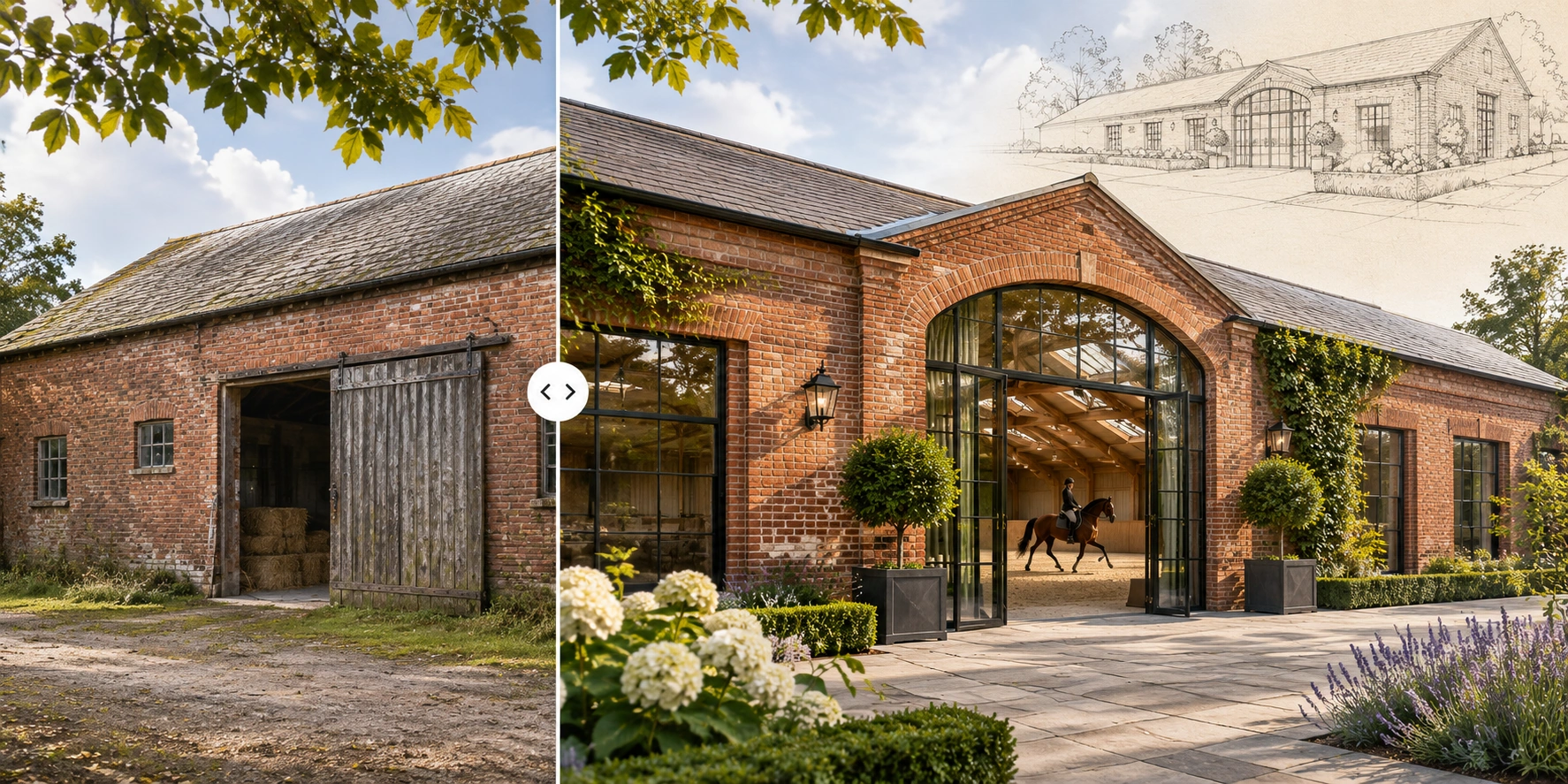
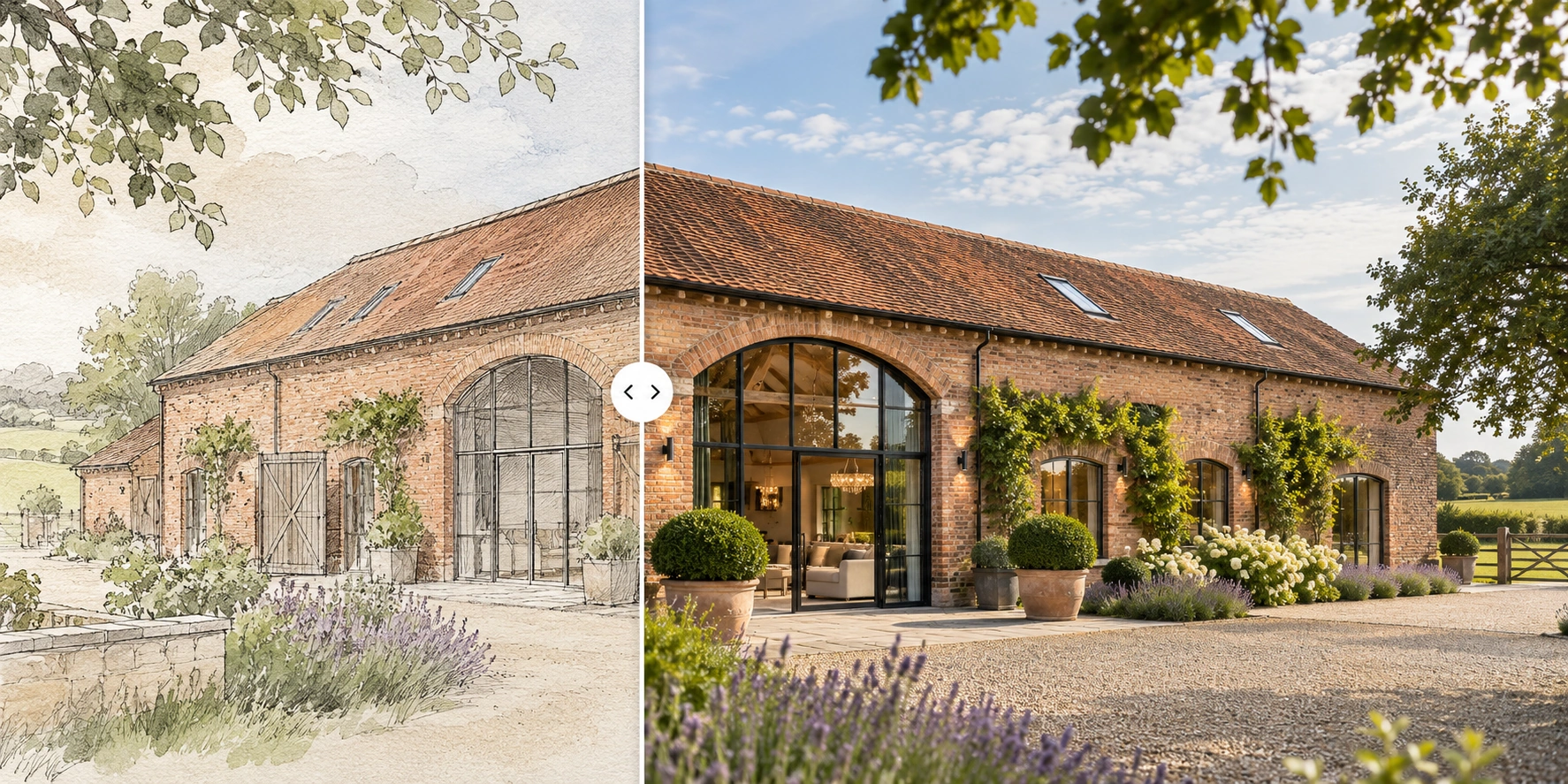
Some proposals may have a route other than a full planning application, but that cannot be assumed from the type of work alone. The property, its history, restrictions and the exact proposal all matter. SEPC can scope advice on the relevant planning position and, where appropriate, support a lawful development certificate application.
For property owners considering works or a change of use, and for clients needing to establish the planning status of existing development. It is useful when a general description of permitted development is not enough to answer a site-specific question.
A careful review separates a proposed change from the evidence needed to establish an existing position. Permitted development rights can be subject to limits, conditions and restrictions, including conditions on a permission or an Article 4 direction. Some routes also involve further procedures. A lawful development certificate serves a different purpose: it establishes lawfulness for the development described, based on the relevant facts and evidence. The appropriate application and information depend on whether the matter concerns existing or proposed development. Advice should identify those distinctions before a route is chosen.
The appointment identifies the tasks, information and responsibilities appropriate to the decision you need to make.
Define the works or use under consideration and examine relevant planning decisions and site information. Record any unknowns that prevent a firm conclusion about the applicable planning position.
Consider the planning route relevant to the agreed brief, including restrictions and procedural requirements that need checking. Explain where further information, measurement or specialist advice is necessary.
Identify the records needed to support the question being considered. For an existing use or works, this may require a documented chronology and reliable supporting material rather than assumptions about the passage of time.
Where instructed, prepare the planning material for the appropriate application and coordinate the evidence included in the scope. Make clear which matters the submission asks the authority to determine.
Explain the conclusion, its factual basis and any qualifications. Identify what remains unresolved so that the advice is used for the proposal and circumstances actually reviewed.
Describe exactly what exists or what you propose, with the location and any permissions you hold. If your question concerns existing works or a use, state what you know and what still needs evidencing.
The drawings and views illustrate reuse possibilities. The lawful use, building eligibility, site constraints and any approval requirements must be established for the actual property.
Start with the decision and the evidence already available. Agree a focused review, application support or wider advisory brief, with any specialist inputs confirmed separately.
For land, estates and development opportunities where several planning questions or advisers need to be considered together.
Potential outputs, where agreed
Bespoke scope and written fee proposal
Explore strategic advisoryFor a proposal that needs a considered planning route, supporting information and clearly allocated submission tasks.
Potential outputs, where agreed
Scope and fees agreed by stage
Explore application supportA focused starting point when you need to understand the planning questions before commissioning wider work.
Potential outputs, where agreed
A focused scope, agreed in writing
Explore a site reviewDeliverables, responsibilities, fees, any applicable tax and separate specialist costs are confirmed in a written proposal before instruction. Planning decisions remain with the relevant authority or Inspectorate.
A clear appointment identifies the planning role, exclusions and separately responsible advisers.
Scope, fees, suitability and available capacity are confirmed before instruction. An enquiry does not appoint SEPC or guarantee a planning outcome.
Explain the planning question and the decision you need to make. SEPC can identify whether a scoped review or certificate application is appropriate and set out the information, work and fee required.
Send your enquiry for review. An enquiry is not an instruction. Scope, fees and terms are agreed separately.