A correspondence and issue review
Read the material received and identify the planning concern within the agreed brief. Record stated dates, the authority involved and any missing information needed to understand the position.

Identify what has been received and the response being requested before deciding which planning support is appropriate.
Scope, suitability, responsibilities and fees confirmed in writing before instruction.
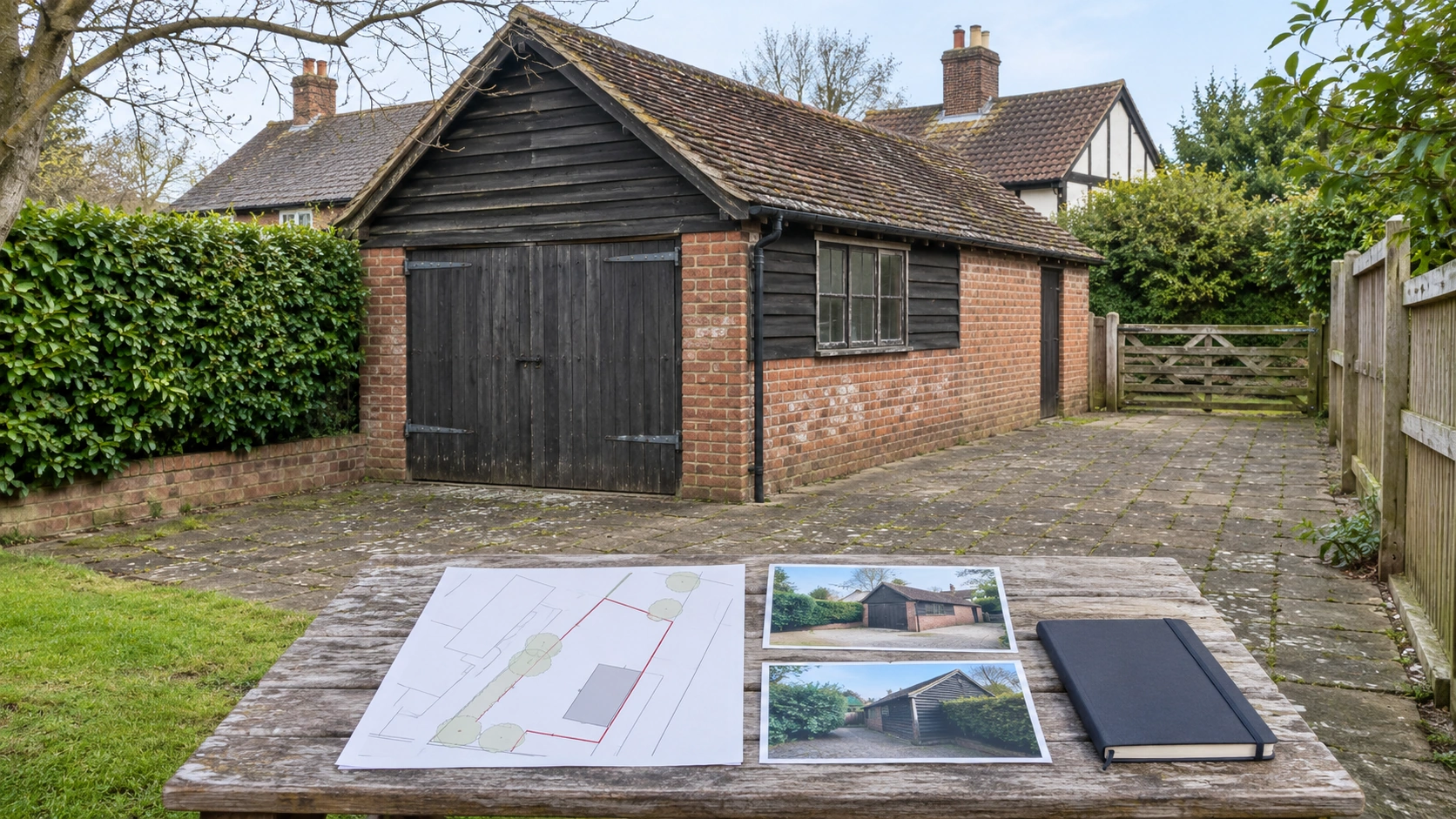
An enforcement enquiry or notice needs attention to the actual wording, dates and facts. SEPC can help review the planning history, identify the issue being raised and consider the planning support appropriate to the circumstances. The first task is to establish what has been received and what needs to happen next.
For landowners, homeowners and businesses who have received planning enforcement correspondence or have concerns about existing works or use. It is also relevant where a project team needs help establishing the planning response and the advice required.
An informal enquiry and a formal notice do not create the same position. Before discussing a response, the practice needs the complete correspondence, the property history and a factual account of the works or use. The review can identify gaps in the record, the planning routes worth considering and whether legal or other specialist advice is needed. Retrospective application work may be relevant in some cases, but it is not an automatic solution and does not by itself remove enforcement risk or suspend a deadline. The appropriate response must be based on the individual matter.
The appointment identifies the tasks, information and responsibilities appropriate to the decision you need to make.
Read the material received and identify the planning concern within the agreed brief. Record stated dates, the authority involved and any missing information needed to understand the position.
Bring together the permissions, decisions and relevant records you provide. Distinguish what is documented from what remains uncertain, and identify further evidence that may be needed.
Discuss potential planning responses appropriate to the issue, including further information, liaison or an application where relevant. Identify when another adviser’s input is necessary before a course is chosen.
Where accepted within the appointment, prepare planning correspondence or application material and coordinate the specified work. Any appeal, legal representation or additional procedure must have an expressly agreed scope.
Confirm what the practice has agreed to do and what remains your responsibility or another adviser’s task. Keep dates visible without implying that initial contact creates an appointment.

Provide the correspondence rather than only a summary. If you are unsure of the type of notice or the significance of a date, say so; it is better to identify that uncertainty at the outset.
These are independent illustrative studies, not matched site views, an SEPC project, a technical survey or evidence of planning permission.
Start with the decision and the evidence already available. Agree a focused review, application support or wider advisory brief, with any specialist inputs confirmed separately.
For land, estates and development opportunities where several planning questions or advisers need to be considered together.
Potential outputs, where agreed
Bespoke scope and written fee proposal
Explore strategic advisoryFor a proposal that needs a considered planning route, supporting information and clearly allocated submission tasks.
Potential outputs, where agreed
Scope and fees agreed by stage
Explore application supportA focused starting point when you need to understand the planning questions before commissioning wider work.
Potential outputs, where agreed
A focused scope, agreed in writing
Explore a site reviewDeliverables, responsibilities, fees, any applicable tax and separate specialist costs are confirmed in a written proposal before instruction. Planning decisions remain with the relevant authority or Inspectorate.
A clear appointment identifies the planning role, exclusions and separately responsible advisers.
Scope, fees, suitability and available capacity are confirmed before instruction. An enquiry does not appoint SEPC or guarantee a planning outcome. An initial enquiry does not protect a deadline.
Share the material received and any important dates. SEPC can establish whether it can assist, identify the information needed and propose a defined planning review or further instruction.
Send your enquiry for review. An enquiry is not an instruction. Scope, fees and terms are agreed separately.